Today's building operators face mounting pressure from rising energy costs and stricter compliance regulations
Modern metering systems provide detailed visibility beyond traditional utility readings, uncovering hidden energy waste across commercial, industrial, and residential properties. Studies show organizations adopting these systems often achieve significant cost reductions while meeting evolving energy codes. Download our free white paper: Energy Efficiency & Power Monitoring: The Need of the Day to transform your facility’s energy management.
What Are Submetering Solutions?
Utility Meter vs. Sub Meter
A utility meter is the primary device installed by energy providers to measure total building consumption for billing purposes. In contrast, a sub meter operates “after the meter,” tracking specific zones, equipment, or departments within a facility. While utility meters are usually located outside buildings or in basements, submeters are strategically positioned where monitoring is needed. This granular approach allows property teams to pinpoint exactly where energy is being used, creating accountability for departments, tenants, or equipment groups.
How Energy Submetering Systems Work
Modern metering solutions combine hardware and software in a continuous monitoring loop. Physical meters track consumption at electrical panels or directly on equipment, recording readings at intervals from 15 minutes to daily summaries. Data is transmitted, to cloud-based platforms for analysis. Many residential communities, including Home Owner Associations, implement these systems to allocate costs fairly while identifying wasteful usage patterns. Dashboards display live consumption data, enabling immediate responses to anomalies and supporting operational efficiency.
Key Benefits of Submetering Systems
These solutions offer significant advantages for property teams seeking to optimize energy management:
• Cost Recovery & Allocation – Track and assign energy usage across tenants, departments, or equipment groups. This reduces guesswork, minimizes billing disputes, and ensures that previously unaccounted-for consumption is fairly allocated, helping managers recover costs that might otherwise go unnoticed.
• Data-Driven Maintenance Planning – Continuous monitoring identifies equipment anomalies before failures occur, enabling predictive maintenance that extends asset life and prevents costly downtime.
• Sustainability Tracking & Reporting – Collect detailed energy data needed for ESG reporting, green building certifications, and regulatory compliance while benchmarking performance across multiple sites.
• Tenant Accountability – Create transparency around actual energy use, encouraging responsible consumption behaviors and helping occupants better understand their energy footprint.
• Regulatory Compliance – Stay ahead of evolving energy codes.
Water, Gas, and Electric Submetering Solutions: Choosing the Right Meter
Selecting the appropriate utility meter is crucial for maximizing the ROI of a submetering program.
- Water: Ultrasonic meters provide reliable, non-invasive measurement of water usage with no moving parts, while also detecting leaks to help reduce waste.
- Gas: Diaphragm gas meters ensure accurate measurement even at low flow rates, supporting fair billing and efficient consumption tracking.
- Electric: Revenue-grade meters (ANSI C12.20 Class 0.2) deliver precise readings suitable for tenant billing and energy audits.
These meters can be integrated into broader energy management platforms to provide comprehensive visibility across all utilities.
FAQ About Submetering Systems
How much does it cost to install a submeter?
Basic devices range from $30-$200, with installation typically between $200-$500 depending on accessibility and system complexity. For a more detailed breakdown, see What Does an Energy Metering System Cost in 2025?
What are the disadvantages of a submeter?
Submeters require periodic maintenance, may cause temporary service interruptions during installation, and must comply with local regulations that vary by jurisdiction.
Which company is best for submeters?
Leading providers include Socomec, EKM Metering, and Synergy Utility Billing, each offering strengths in accuracy, software interfaces, and specialized building applications.
What is a water submeter?
A water submeter tracks individual water consumption in multi-unit buildings, enabling managers to bill based on actual usage and detect potential leaks promptly.
Smarter, Cost-Effective Energy Management Starts Here
Today’s building operators face rising energy costs and stricter regulations. Traditional utility meters only tell part of the story—hidden inefficiencies and unaccounted-for consumption can drive up expenses and complicate compliance.
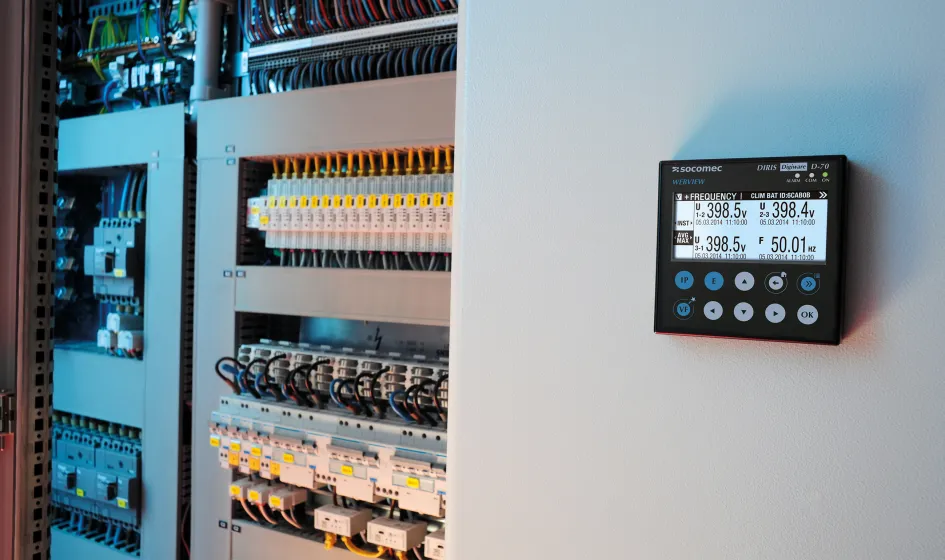
Submetering solutions like Socomec’s DIRIS Digiware system empower you to see beyond the main meter. By monitoring individual circuits, departments, or equipment, you gain the granular insight needed to:
- Pinpoint energy waste
- Allocate costs fairly
- Enable predictive maintenance
- Support sustainability and compliance goals
The DIRIS Digiware BCM makes this easy, delivering fast, reliable multi-circuit monitoring with real-time data and simplified installation.
The DIRIS Digiware System Interface centralizes your energy data, providing intuitive dashboards, advanced analytics, and seamless integration for smarter decision-making.
Ready to take control of your energy future?
Explore the DIRIS Digiware BCM and discover the DIRIS Digiware System Interface to unlock cost savings, operational efficiency, and a more sustainable facility, starting today.