Power Monitoring and Metering
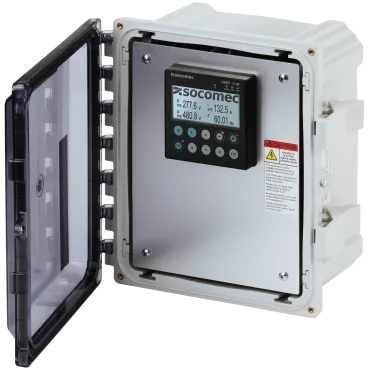

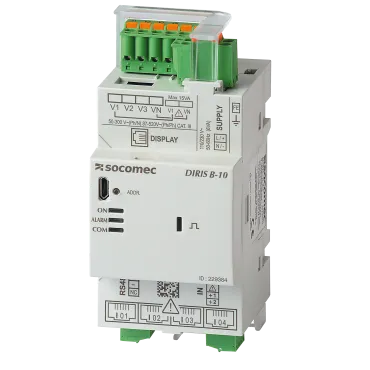
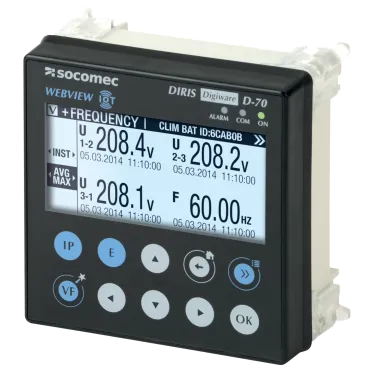
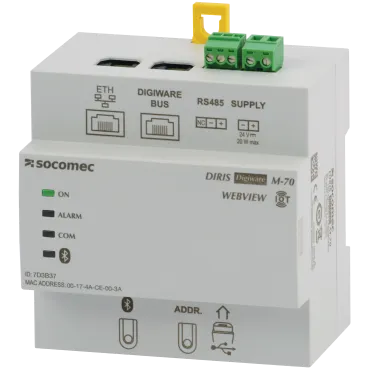
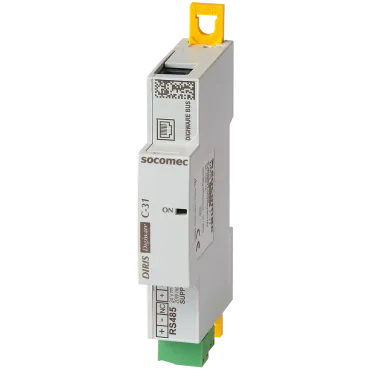
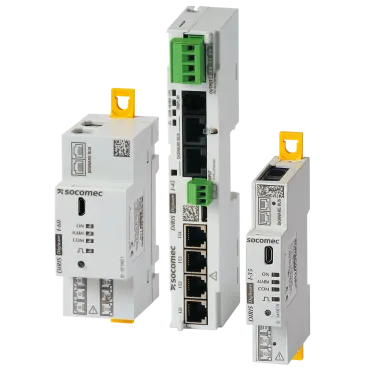
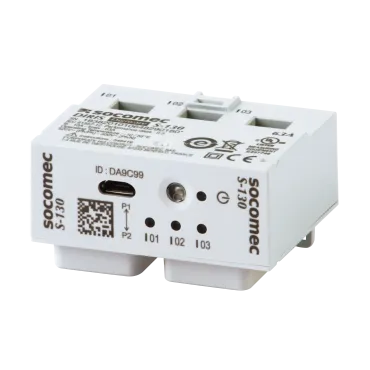
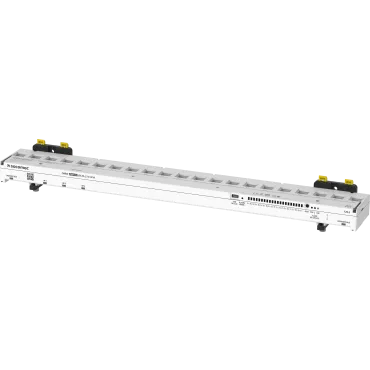
Power Monitoring and Energy Metering Solutions
As electrical infrastructures become increasingly complex and energy costs continue to rise, organizations require greater visibility into how power is distributed, consumed, and managed across their facilities. Power monitoring and energy metering systems play a critical role in improving operational efficiency, ensuring electrical reliability, and supporting sustainability objectives. While their purpose is straightforward, measuring, analyzing, and monitoring electrical consumption and power quality, their applications are extensive and can address a wide range of operational and financial challenges. From commercial buildings and industrial facilities to critical infrastructure and data centers, intelligent monitoring systems provide actionable insights that help optimize energy performance and improve business continuity. Discover with Socomec the fundamentals of power monitoring and energy metering and understand why they are essential for modern electrical infrastructure.
What is Power Monitoring and Energy Metering?
Power monitoring and energy metering systems are advanced technologies designed to measure, record, and analyze electrical parameters throughout a facility’s electrical distribution network. Energy metering focuses on tracking energy consumption and utility usage, while power monitoring provides deeper visibility into electrical parameters such as voltage, current, power factor, harmonics, unbalance, and load conditions.
These systems continuously collect real-time operational data from switchboards, feeders, branch circuits, and connected equipment to provide a detailed understanding of electrical performance. By monitoring both energy consumption and power quality, operators can identify inefficiencies, detect abnormal operating conditions, and improve the overall reliability of their electrical infrastructure.
Power monitoring systems can also generate alarms and notifications when electrical measurements exceed predefined thresholds. This enables facility managers and operators to react quickly to disturbances, prevent equipment deterioration, and optimize maintenance operations before failures occur.
Energy Metering vs. Power Monitoring
Although energy metering and power monitoring are closely related, they serve different purposes within an electrical infrastructure. Energy metering is primarily focused on measuring and recording energy consumption, while power monitoring provides a broader analysis of electrical performance and power quality over time.
Energy metering systems are designed to track consumption values such as kWh, kVAh, and kVarh across electrical systems and utilities including electricity, water, and gas. These systems help organizations break down energy usage by building, department, equipment type, or load. This information can then be compared against utility tariff structures to identify opportunities for cost savings, improve energy allocation, and optimize operational efficiency.
Power monitoring systems expand this visibility further by continuously analyzing electrical parameters such as voltage, current, frequency, harmonics, and power factor. In addition to recording minimum and maximum values, monitoring systems can generate alarms when measurements exceed predefined thresholds or when abnormal operating conditions are detected. Notifications can be transmitted through multiple channels, including local outputs, supervisory systems, or email alerts, enabling operators to respond quickly to disturbances and maintain electrical reliability.
Together, energy metering and power monitoring provide organizations with a comprehensive understanding of both energy consumption and electrical system performance. Combining these technologies enables operators to improve efficiency, strengthen preventative maintenance strategies, and maintain greater control over critical infrastructure.
Understanding the Importance and Advantages of Monitoring and Metering Systems
Reducing Energy Consumption and Utility Costs: Energy metering systems provide detailed visibility into how electricity is consumed throughout a facility. By identifying inefficient equipment, unnecessary usage, and abnormal consumption patterns, organizations can optimize energy performance and reduce monthly utility costs. Monitoring systems also help facilities benchmark multiple buildings, adapt energy demand profiles to utility contracts, and avoid penalties caused by demand spikes.
Improving Electrical Reliability and Power Availability: Power monitoring systems continuously supervise electrical parameters and power quality conditions across the distribution network. By monitoring harmonics, voltage imbalance, load conditions, and disturbances in real time, operators can identify weak points within the infrastructure and detect potential failures before they occur. This improves equipment reliability, reduces downtime risks, and supports business continuity.
Supporting Preventative Maintenance and Equipment Protection: Monitoring systems provide valuable insights into the operational health of electrical equipment such as generators, motors, pumps, UPS systems, and cooling infrastructure. Continuous monitoring enables maintenance teams to analyze disturbances, detect abnormal conditions, and schedule maintenance activities proactively. This predictive approach helps extend equipment lifetime, improve system performance, and minimize unexpected failures.
Supporting Sustainability and Green Initiatives: Reducing energy waste and improving operational efficiency are key objectives for organizations pursuing sustainability goals. Power monitoring and energy metering systems help reduce the carbon footprint of facilities by optimizing energy consumption and improving electrical efficiency. In addition to supporting environmental initiatives and regulatory compliance, energy-efficient operations can strengthen brand reputation and contribute to green building certifications or tax incentive programs.
Applications of Power Monitoring and Energy Metering
At Socomec, we provide intelligent monitoring solutions designed to meet the operational requirements of modern electrical infrastructures. Our monitoring systems support a wide range of applications that improve efficiency, reliability, and visibility across commercial, industrial, and critical facilities.
Energy Efficiency Optimization: Improving energy efficiency is one of the primary objectives of implementing energy metering systems. Monitoring solutions provide a detailed breakdown of energy consumption throughout a facility, helping operators identify where savings can be achieved. By continuously analyzing electrical consumption across systems and loads, organizations can reduce unnecessary usage, optimize operational performance, and lower utility expenses. Monitoring energy consumption also enables facilities to benchmark buildings, compare energy performance across sites, and validate savings resulting from equipment upgrades or operational improvements.
Power Quality Monitoring: Power quality monitoring is essential for maintaining the reliability and performance of electrical infrastructure. Monitoring systems continuously analyze electrical parameters such as harmonics, voltage fluctuations, frequency variations, and phase imbalance to identify disturbances that could negatively impact equipment or operations. By detecting abnormal conditions in real time, operators can take corrective action before issues result in equipment deterioration, failures, or downtime. Continuous power quality analysis also helps improve maintenance planning and extend the operational lifetime of critical equipment.
Capacity Management: Permanent monitoring systems provide accurate and real-time visibility into electrical loading and available infrastructure capacity. This allows operators to determine whether additional equipment or loads can be added without overloading existing electrical distribution systems. By continuously monitoring circuits, feeders, and connected loads, organizations can optimize infrastructure utilization while maintaining operational safety and system redundancy. Capacity monitoring also helps support future expansion planning and infrastructure upgrades.
Preventative Maintenance: Monitoring the health of electrical infrastructure enables organizations to identify potential issues before failures occur. By continuously analyzing load conditions, harmonics, disturbances, and operational trends, maintenance teams can detect signs of equipment deterioration early and respond proactively. Real-time alarms and event notifications help maintenance personnel quickly identify abnormal operating conditions and schedule maintenance operations more effectively. This approach reduces unplanned downtime and improves overall equipment reliability.
Utility Cost Allocation and Sub-Billing: Energy metering systems can also support accurate cost allocation and sub-billing applications. By monitoring the energy consumption of individual buildings, departments, tenants, or loads, organizations can allocate utility costs more precisely and improve visibility into energy usage patterns. Highly accurate metering systems ensure reliable billing data and help organizations better understand where energy costs originate throughout the facility.
Power Monitoring and Energy Metering for Data Centers
Data centers are among the most energy-intensive and power-sensitive facilities in modern infrastructure. Implementing power monitoring and energy metering systems within data centers provides operators with accurate visibility into energy consumption, electrical capacity, and power quality across the entire facility.
Energy metering helps identify where energy savings can be achieved by analyzing the consumption of IT equipment, cooling systems, and supporting electrical infrastructure. Since electricity represents a significant portion of data center operating costs, improving energy efficiency can generate substantial financial savings while supporting sustainability objectives.
Power monitoring systems also help maintain the reliability of critical IT infrastructure by continuously supervising electrical conditions and power quality. Real-time alarms and detailed operational data enable operators to identify disturbances quickly, prevent failures, and maintain continuous power availability for mission-critical applications.
In colocation facilities, branch-circuit monitoring and highly accurate metering systems also support tenant-level sub-billing and energy allocation, helping operators improve billing transparency and operational visibility.
Socomec’s Power Monitoring and Energy Metering Solutions
At Socomec, we offer a comprehensive range of power monitoring and energy metering solutions designed to improve electrical performance, energy efficiency, and operational reliability across a wide range of applications. Our solutions provide real-time visibility into energy consumption, electrical distribution systems, and power quality conditions to help organizations optimize their infrastructure and support long-term operational goals.
Designed for applications such as energy efficiency optimization, preventative maintenance, capacity management, power quality analysis, and utility cost allocation, Socomec’s monitoring portfolio helps customers better understand and manage their electrical infrastructure while supporting safer, more reliable, and more sustainable operations.
Our solution portfolio includes:
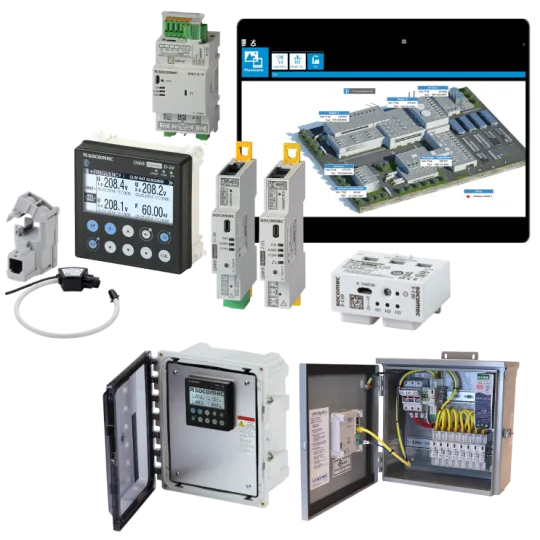
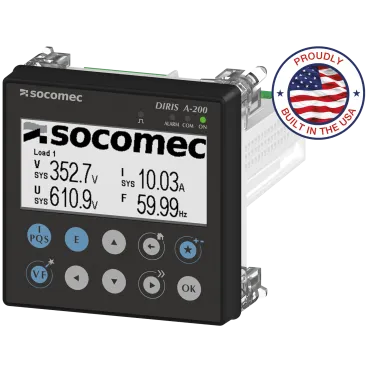
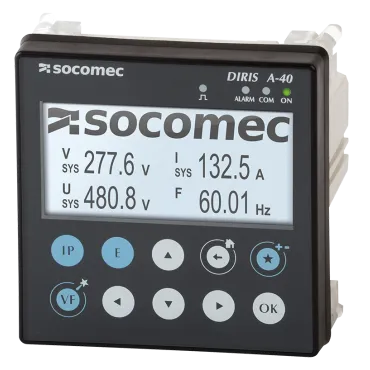
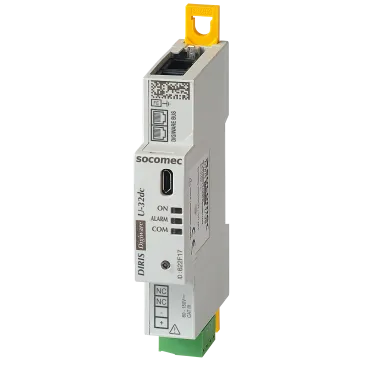
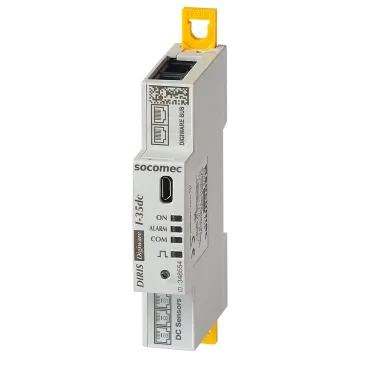
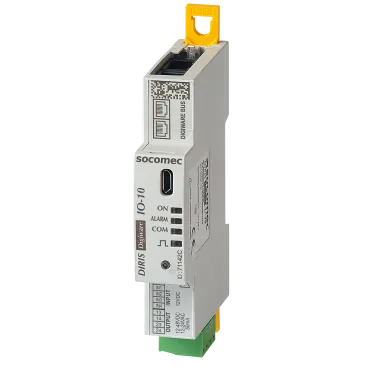
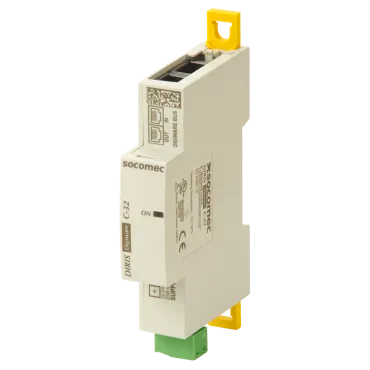
Advanced Energy Meters: High-accuracy metering devices designed to monitor electrical consumption across feeders, branch circuits, and critical loads. These systems provide detailed energy analysis to support utility optimization, sustainability initiatives, and cost allocation strategies.
Power Quality Monitoring Devices: Intelligent monitoring solutions capable of analyzing harmonics, voltage disturbances, phase imbalance, frequency variations, and power factor to maintain electrical reliability and protect sensitive equipment.
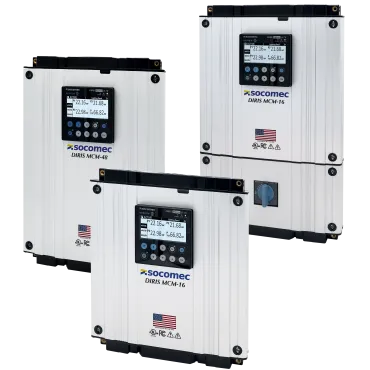
Branch Circuit Monitoring Systems: Scalable monitoring platforms that provide detailed visibility into electrical consumption across individual loads, departments, tenants, or critical infrastructure environments.
Centralized Energy Management Software: Integrated software platforms that aggregate real-time monitoring data, generate alarms and reports, and provide advanced analytics for operational optimization, maintenance planning, and infrastructure management.